
How to Improve Drainage in Your Lawn: A Complete Guide
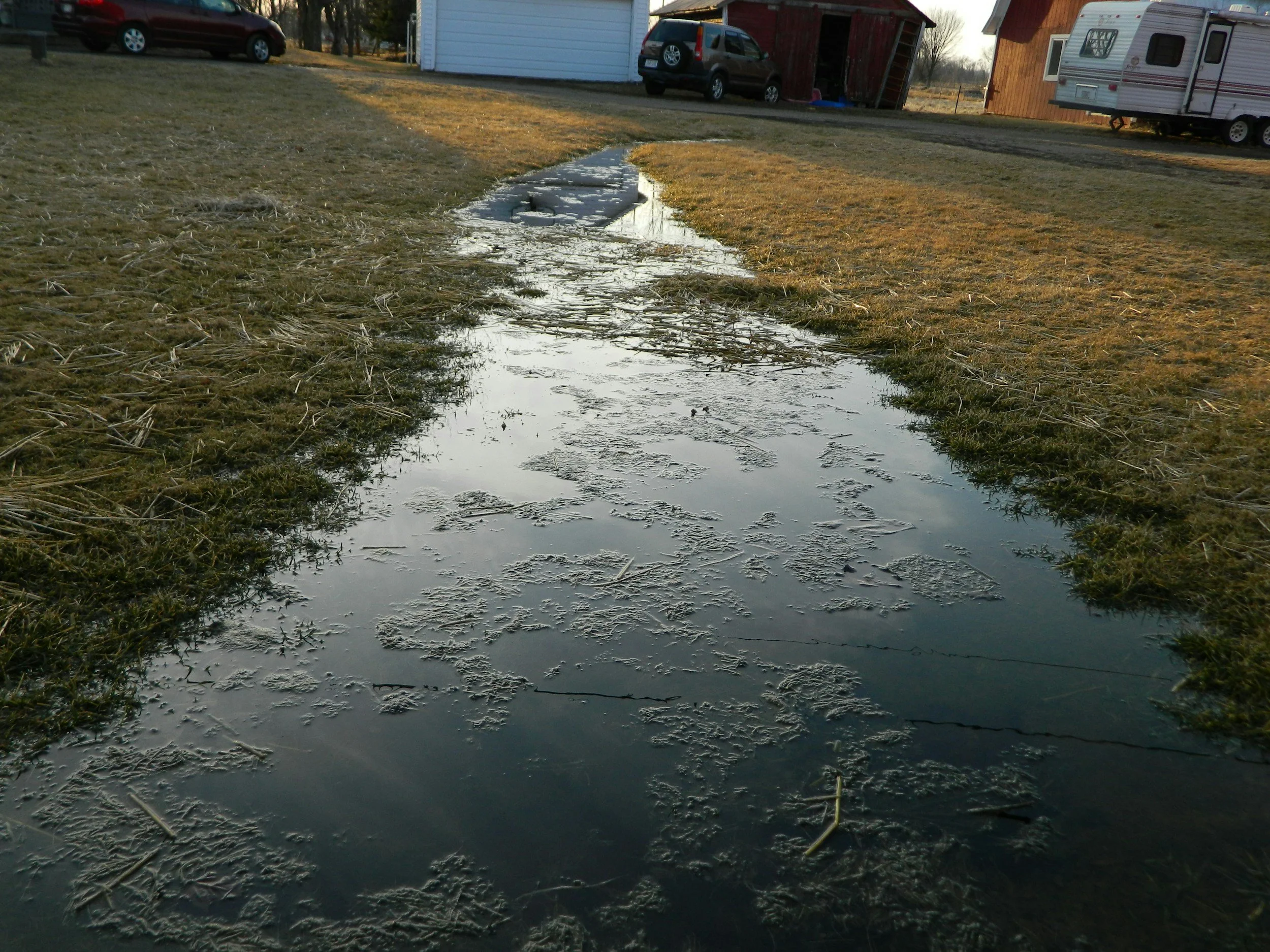
A lush, green lawn is every homeowner’s dream—but poor drainage can turn that dream into a muddy nightmare. Standing water not only damages grass roots but also invites pests, creates slippery spots, and can even threaten your home’s foundation. The good news? With the right strategies, you can fix drainage issues without breaking the bank.
Excess water in your lawn leads to several problems. Grass roots can rot when soil stays saturated, and pests like mosquitoes thrive in wet conditions. Over time, pooling water can cause erosion and even damage your home’s foundation. Addressing drainage issues early helps protect your property and keeps your lawn healthy.
Before you start digging, identify the cause of poor drainage. Common culprits include compacted soil, low spots where water collects, and improper slopes that direct water toward your home instead of away from it. Sometimes clogged gutters or short downspouts can also dump water onto your lawn. A simple percolation test can help: dig a 12-inch hole, fill it with water, and measure how fast it drains. Ideally, soil should drain 1–3 inches per hour.
Start with easy solutions. Aerating your lawn is one of the most effective ways to relieve soil compaction and allow water to penetrate. Adding organic matter like compost or sand to clay-heavy soil improves its structure and drainage. Don’t forget to clean your gutters and extend downspouts so water flows at least 6–10 feet away from your foundation.
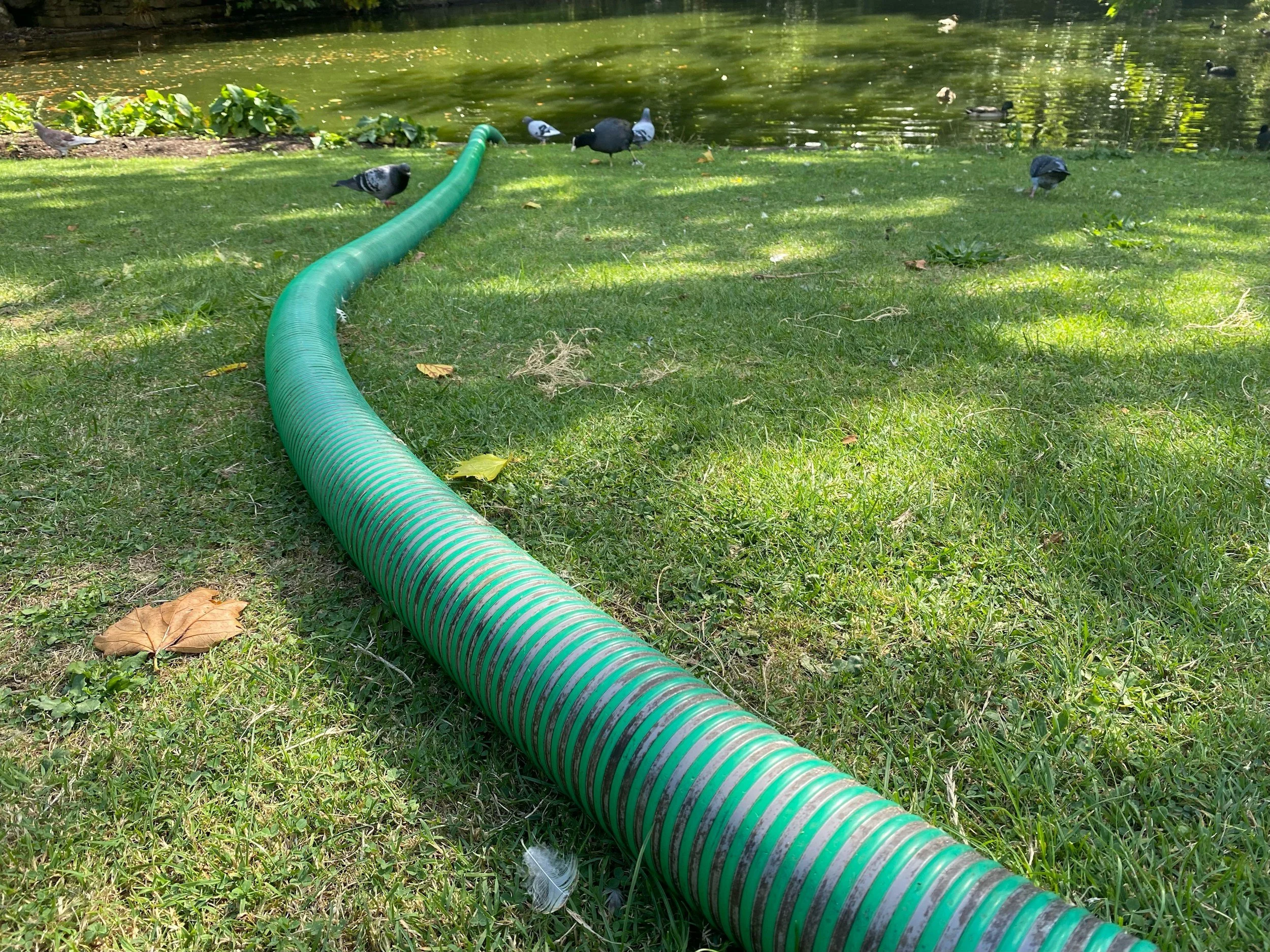
If quick fixes aren’t enough, consider more advanced options. Regrading your yard to create a gentle slope away from your home can make a big difference. Installing a French drain—a trench lined with gravel and a perforated pipe—helps redirect water from soggy areas. You can also build a rain garden in low spots using water-loving plants or create a dry creek bed or swale to guide water naturally while adding visual appeal.
For hands-on homeowners, there are several DIY solutions. A rain barrel setup collects roof runoff for garden use, reducing excess water in your yard. Installing a dry well—an underground gravel pit—helps disperse water slowly. Replacing hard surfaces with gravel or permeable pavers also improves drainage and prevents runoff.
If your yard sits below surrounding properties or you experience severe flooding, professional help may be necessary. Experts can regrade your lawn or install engineered drainage systems to ensure long-term protection.
Improving lawn drainage isn’t just about aesthetics—it’s about protecting your home and creating a healthy outdoor space. Start small with aeration and gutter fixes, then move to advanced solutions if needed. With a little effort, you can transform your soggy lawn into a thriving, barefoot-friendly oasis.
