
Why Is My Grass Yellow After Mowing? (Full Guide for CSRA Homeowners)by CSRA Ground Control
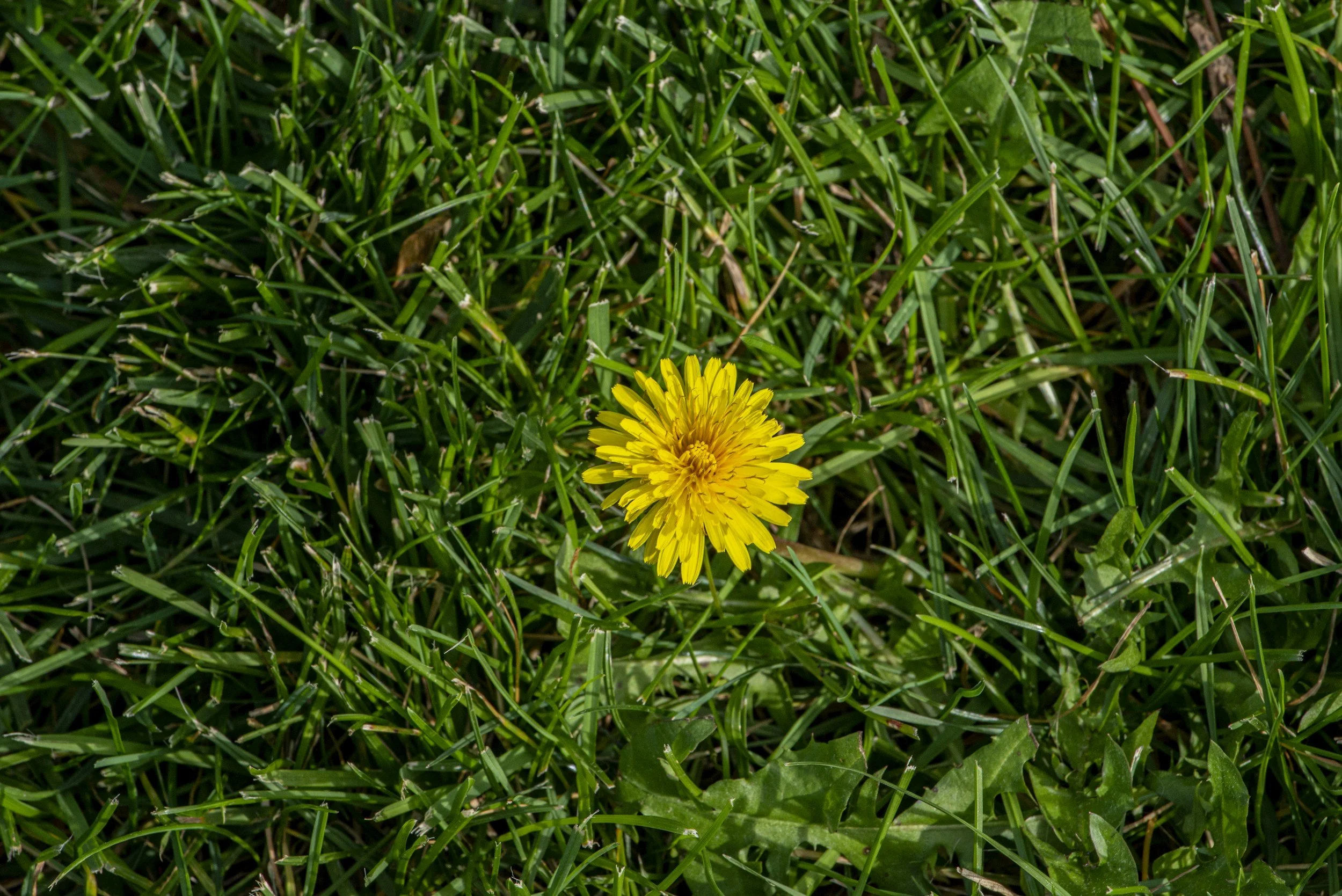
If you’ve ever finished mowing your lawn in Evans, Grovetown, Augusta, or anywhere in the CSRA, stepped back to admire your work, and then noticed yellow or straw-colored patches, you’re not alone. This is one of the most common lawn-care problems homeowners ask us about at CSRA Ground Control.
The good news?
Yellow grass after mowing is almost always temporary — and almost always fixable it just takes commitment.
In this full guide, we’ll break down the real reasons your lawn turns yellow, what to look for, and exactly how to get your grass back to a deep, healthy green.
Why Does Grass Turn Yellow After Mowing?
Yellowing after a mow usually comes down to stress. Grass is a living plant, and mowing is essentially a controlled injury. When conditions aren’t ideal, the grass responds by turning yellow, losing moisture, or showing damage that was already present but hidden.
Below are the most common causes — especially for lawns here in the Central Savannah River Area (CSRA).
1. Dull Mower Blades (The #1 Cause of Yellow Grass)
If your mower blades are dull, they tear the grass instead of slicing it cleanly. Torn grass blades fray at the tips and turn yellow within 24–48 hours. This is one of the biggest problems we see with homeowners in Evans and Grovetown, especially when mowing thick warm-season grasses like Bermuda or Zoysia.
Why it happens
Torn blades lose moisture quickly
Ragged tips are more prone to disease
The turf appears yellow, uneven, or stressed
Fix
Sharpen your mower blades:
At least once per season
Or every 8–10 mows if you mow weekly
Professional blade sharpening makes a massive difference in the color and health of your lawn.
2. Cutting the Grass Too Short (“Scalping”)
If you suddenly lower your mower — especially during the first cut of spring — you may accidentally scalp the lawn. Removing too much height exposes the yellowish part of the grass blade and weakens the plant.
Why it happens
Grass stores energy in its leaf blade. When you cut too much, the plant doesn’t have what it needs to recover.
Fix: Follow the One-Third Rule
Never remove more than one-third of the grass height in a single mow.
This is especially important for:
Bermuda lawns in Augusta and Grovetown
Zoysia lawns in Evans
Any lawn stressed by heat or drought
If your grass is tall, raise the mower and lower it gradually over a few cuts.
3. Mowing in Hot, Dry, or Stressed Conditions
During our hot CSRA summers, mowing when the soil is dry can shock the grass. Mowing removes moisture from the leaf blades, and if the lawn is already stressed, it can’t bounce back.
You may notice:
Yellowing within 24 hours
A brittle texture
Wheel marks or flattened areas
Fix: Mow When Moisture Is Available
Mow:
The day after a rain
The day after watering
In the morning or evening, never during peak heat
This helps prevent moisture loss and keeps your lawn greener.
4. Seasonal Transitions Can Reveal Yellow Spots
If your lawn is just waking up from winter dormancy — especially Bermuda and Zoysia lawns common in the CSRA — the grass under the top layer may still be brown or yellow. Mowing early exposes those areas.
Fix
Give it time.
Warm-season grasses green up slowly in late March through May depending on weather in the CSRA.
If you mow before the lawn fully greens up, you’ll see the dormant color temporarily.
5. Fertilizer Problems (Too Much or Too Little)
While Milorganite typically doesn’t cause sudden yellowing, fertilizer mistakes definitely can.
Too much fertilizer = burn
Over-fertilizing causes the tips of the grass to scorch and turn yellow or brown.
Not enough nitrogen = fading
Low nitrogen causes slow growth and pale color.
Fix: Test the Soil
A simple CSRA soil test tells you exactly what your lawn needs.
Helpful note: Many lawns in Augusta and Grovetown are naturally low in nitrogen and benefit from a balanced fertilization program.
6. Pests or Lawn Disease
If the grass peels up easily or the yellow patches spread quickly, mowing didn’t cause the problem — it simply revealed it.
Common CSRA pests
Grubs
Chinch bugs
Armyworms (late summer)
Common CSRA diseases
Dollar spot
Brown patch
Pythium blight
Fix
Inspect the turf.
If the area lifts like a rug, you likely have grubs.
If the spots enlarge daily, it may be a fungus.
In these cases, treatment is needed ASAP.
Why Do I See Long Strands of Grass After Mowing?
If you notice tall strands sticking up after mowing, this means the mower isn’t cutting evenly.
Top causes include:
1. Dull blades (again)
The mower bends taller blades instead of cutting them.
2. Mowing too fast
Going “full speed” causes the mower to miss sections of grass.
3. Wet grass
Wet blades clump together and dodge the mower deck.
4. Uneven ground
Bumpy lawns — common in older neighborhoods in Augusta — cause the mower deck to bounce.
5. Grass type
Bermuda and Zoysia grow horizontally, and when thick, they’re harder to cut without sharp blades.
Fix
Sharpen mower blades
Slow down
Mow only when the lawn is dry
Adjust deck height
Consider a reel mower for low-cut Bermuda
Why Does My Grass Lay Down After Mowing?
Grass that mats, folds, or lays flat after mowing is usually experiencing stress or pressure.
Common causes
1. Mower wheel pressure
Tires press long grass down, especially if it hasn’t been mowed recently.
2. Weak or thirsty grass
Dry lawns in the CSRA often lose their spring and fall flat.
3. Cutting too much at once
Tall grass that is suddenly cut short folds instead of standing upright.
4. Thick thatch layer
A spongy layer of thatch can cause grass to grow sideways.
5. Natural growth habits
Some warm-season grasses naturally mat if they grow long between cuts.
Fix
Water deeply and consistently
Follow the one-third rule
Aerate or dethatch yearly
Keep blades sharp
Mow more frequently in peak season
How to Keep Your Lawn Green After Mowing
If you live in Evans, Grovetown, Augusta, or anywhere in the CSRA, here are expert tips from our team at CSRA Ground Control to prevent yellow grass after mowing:
✔ Use sharpened mower blades
Sharp blades = greener lawn.
✔ Mow at the correct height
Most warm-season grasses in our area prefer:
Bermuda: 0.75–2 inches
Zoysia: 1–2.5 inches
Fescue: 3–4 inches
✔ Water deeply, not frequently
Most CSRA lawns need 1 inch of water per week.
✔ Avoid mowing in extreme heat
Aim for morning or early evening.
✔ Fertilize based on soil needs
Better color, faster recovery, fewer problems.
✔ Aerate compacted soil
Especially important for clay-heavy soils in Evans and Grovetown.
When to Call a Lawn-Care Professional
If you’ve tried adjusting your mowing practices but still see yellowing, thinning, or spreading patches, it may be time for a professional diagnosis. Many issues — especially pests, disease, nutrient imbalance, or irrigation problems — aren’t obvious without experience.
At CSRA Ground Control, we help homeowners keep their lawns green, healthy, and thriving in the unique climate and soil conditions of the Central Savannah River Area.
Final Thoughts
Yellow grass after mowing can be frustrating, but it’s almost always reversible. With sharper blades, correct mowing height, proper watering, and consistent care, your lawn will stay thicker, greener, and healthier all season long.
If you want help achieving that perfect lawn in Evans, Grovetown, or Augusta, the experts at CSRA Ground Control are here to help.
